Biorenewable Resources
Wood: the Pluses, the Minuses, and the Neutrals
The history of using wood started long ago when nature fell down the wood branch.
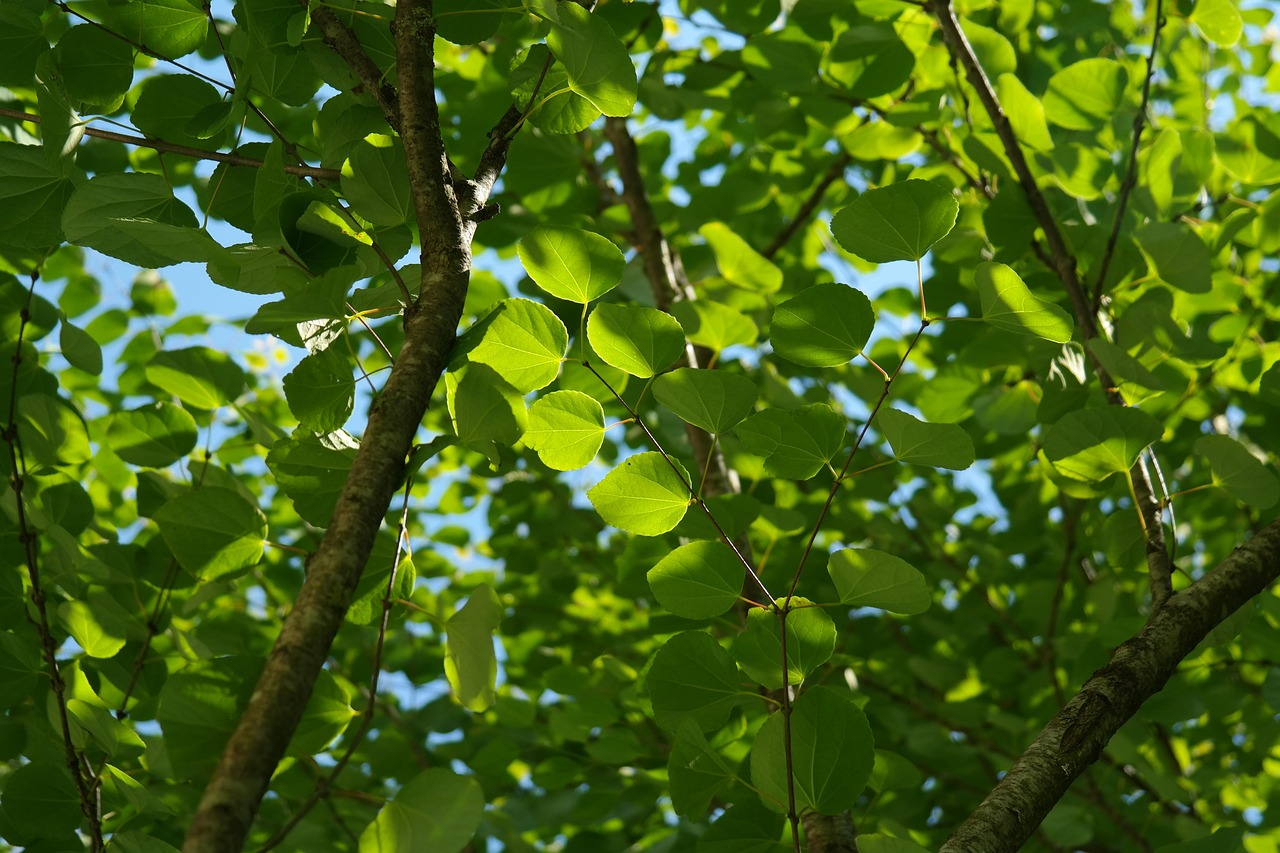
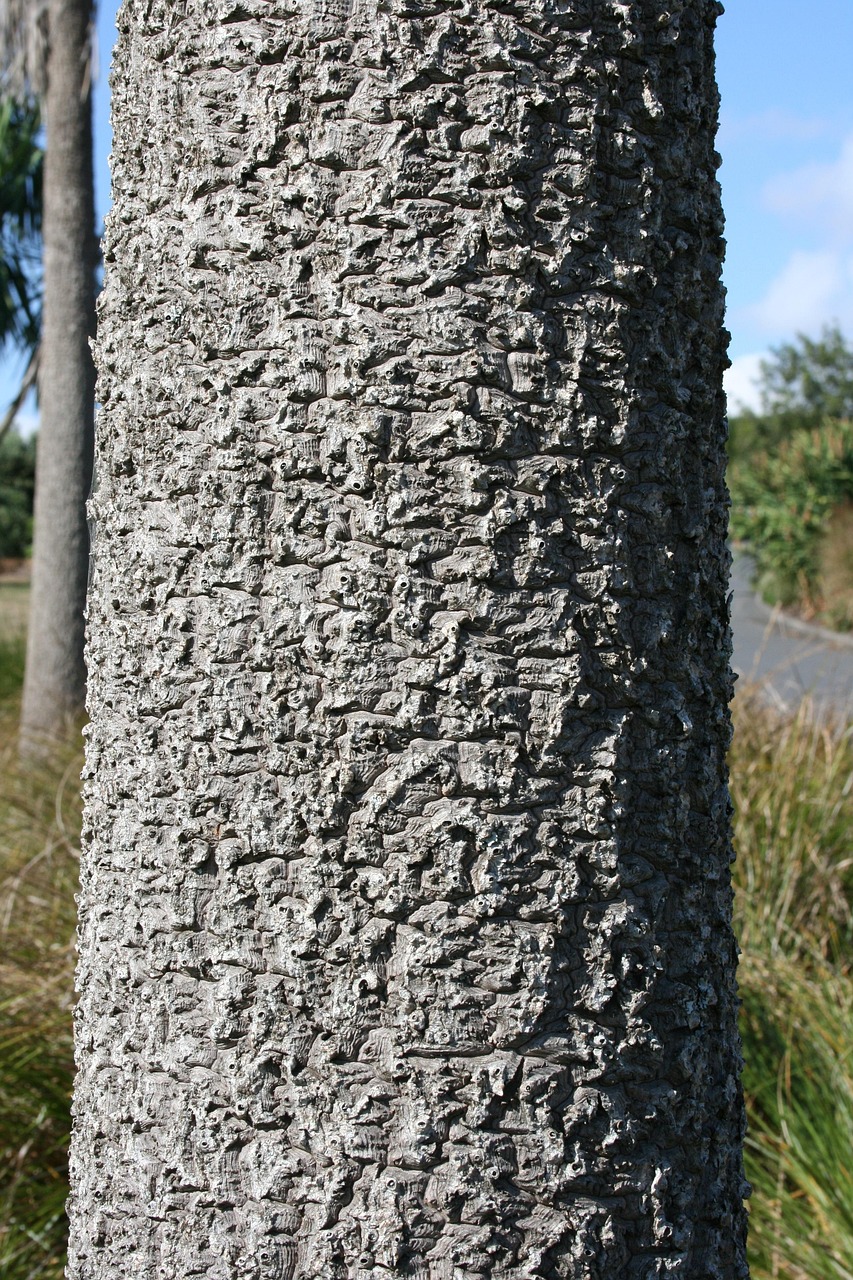
Modern wood use is almost always based on different lumber which comes from the forest and timber industry. The tree from which the wood is taken determines how it will be used from the moment it is selected. The difference in species between softwoods and hardwoods determines what kind of wood is suitable for production in what region. Hardwoods, obtained from the trees of dicotyledonous angiosperms or flowering plants, are hard and complex, unevenly textured, and slow-growing, but are well suited for use in places such as furniture. Softwoods, obtained from monocotyledonous angiosperms or non-flowering trees, are soft and light, faster growing, easily available, and inexpensive. (Hardwood vs Softwood)
| Tree Species | Uses |
|---|---|
| Aspen | Woodchips, particle board, plywood, shingles, dimension lumber. Specialty uses: sauna benches and playgrounds. |
| Basswood | Hand carving, making crafts, veneer for plywood, furniture, pulpwood. |
| Douglas Fir | Lumber and plywood |
| Lodgepole Pine | Framing lumber, plywood, and railroad ties |
| Northern Red Oak | Flooring, furniture, millwork, crossties, mining timbers, veneer, pulpwood. Generally, it is the most important hardwood lumber species in the US. |
| Ponderosa Pine | Lumber, plywood, doors, furniture, etc. It is considered the most commercially important western pine. |
| Sugar Maple | Flooring, furniture, millwork, veneer, and pulpwood. Also maple syrup! |
| Sycamore | Furniture parts, millwork, veneer in plywood, pulpwood, and biomass (e.g. for bioenergy and biofuels). Specialty products: butcher block. |
| Yellow Birch | Lumber and veneer in making furniture, plywood, cabinets, boxes, and interior doors |
| Yellow Poplar | Crates, toys, furniture, veneer plywood, pulpwood, etc. Extremely versatile. |

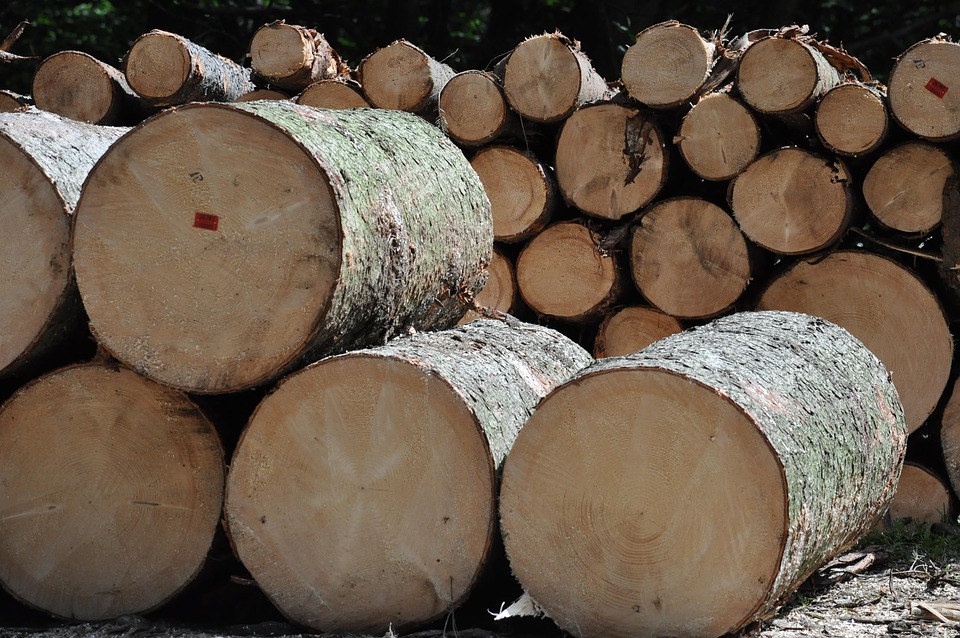
In a sawmill, trees are cut into lumber, and different milling methods give the lumber different uses.(lesson 13) For example, in the case of a good, thick enough tree, cutting a wide piece of the center in its entirety for use in large lumber reduces structural imperfections in the gluing process.


Although wood can be milled in different ways to obtain substrates of different sizes, wood structures that are particularly large or delicate cannot be obtained in these ways. This is why people think of using engineering methods to manipulate wood materials to obtain easy-to-use structural materials. The wood chips and shavings produced in the manufacture of wood could only be used as fuel for combustion in the past, but this combustion immediately releases the carbon stored in the wood into the air, which defeats one of the original purposes of using wood construction: to store carbon.
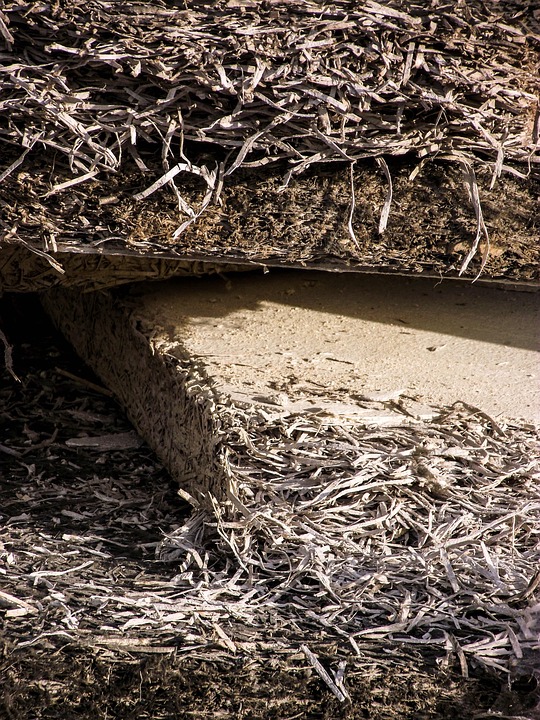

By gluing these small pieces of wood or chips together you can make fiberboard, wood-plastic composites, engineered wood flooring, and other wood paneling materials. These small pieces of wood glued together without being reinforced with plastic materials are inexpensive and low-strength, making them ideal for use in applications where strength is not a requirement, but cost is of great concern. Plastic-reinforced planks can be stronger than regular planks. Reinforced with different arrangements of glues, the boards can withstand loads in different directions, which allows them to be used for construction or even as a substitute for reinforced concrete. The Mjøstårnet building, for example, is a completely wooden building that reaches a height of more than 80 meters, which is taller than a typical apartment.


It may seem that wood is a good material for construction and that it stores carbon emissions. However, this carbon does not last forever, as trees that die naturally decompose in about 10-20 years and release most of the stored carbon back into the air, or over hundreds of years if used for construction or furniture without treatment (lesson 17). It is only a matter of time before these carbon emissions are eventually released into the air. So it's very similar to a loan, these will eventually need to be repaid, it's just a matter of when. It is just a matter of when it is repaid, except that it can be “repaid” by growing plants, catalyzing the reaction of carbon dioxide, and using the carbon dioxide to make starch. As long as the amount of “repayment” is equal to or greater than the amount of the “loan” in a cycle, the carbon can always be neutralized.


The global carbon neutrality process has moved from goal-setting to the era of implementation. (Tsinghua) The use of bio-recyclable materials as well as carbon-absorbing technologies can accelerate the goal of carbon neutrality. We can see from the FAO2017 report that the amount of paper used is huge. If the paper needs to be produced in a way that makes it easy to use and in the right color it requires a lot of chemicals for bleaching, dyeing, dissolving, etc. These substances can produce a lot of carbon. These substances can produce large amounts of carbon emissions. The use of certain paper, such as for courier boxes, does not require as high a standard of paper, and these points may be a way to reduce emissions from the paper industry. Of course, for the promotion of paperless office learning can also reduce the use and manufacture of paper. But all of these actions and measures need to be tackled in a concerted global effort.